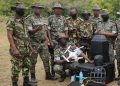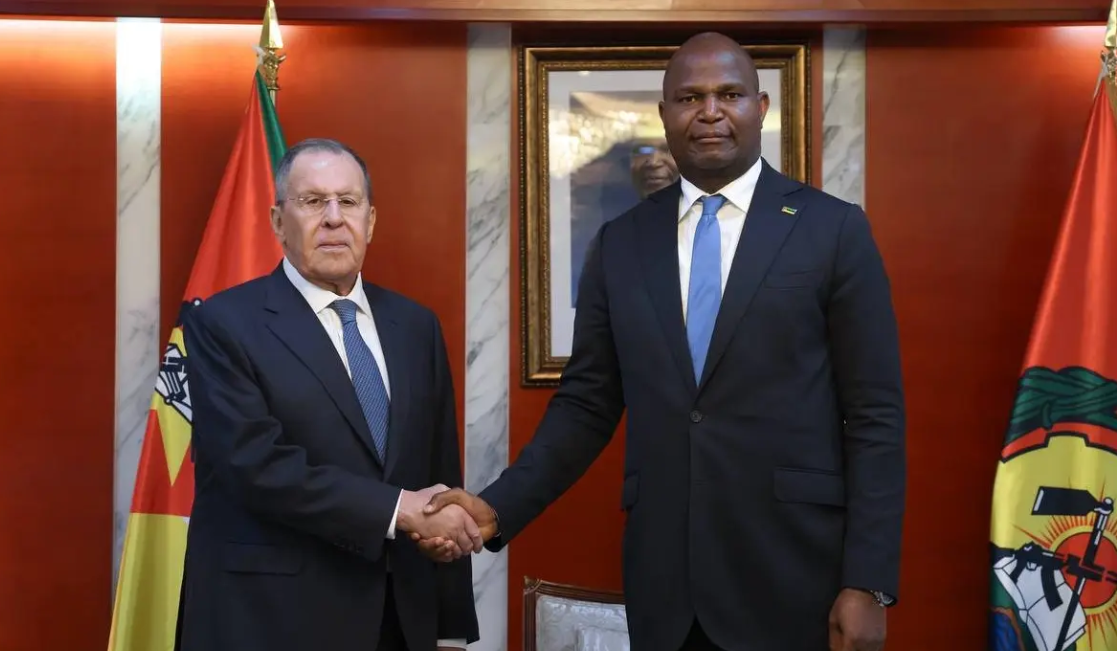
Russian Foreign Minister Sergey Lavrov said in Maputo that Russia is “ready to help and respond to the requests of our Mozambican friends” as Mozambique continues to confront the insurgency threat in the northern province of Cabo Delgado.
Lavrov arrived on Thursday in Maputo, the third stop on his African tour that began in Ethiopia and Niger.
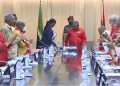
Speaking after meeting with President Daniel Chapo, Lavrov said that counter‑terrorism was one of the central themes of the discussions, alongside the strengthening of economic cooperation and support for ongoing structural reforms in Mozambique.
Comment
Lavrov’s remark signals a calibrated Russian bid to deepen its security footprint in Mozambique at a moment when Maputo is recalibrating alliances under President Daniel Chapo. By framing Russia’s readiness “to help and respond to the requests of our Mozambican friends” in confronting the insurgency in Cabo Delgado, he may be positioning Moscow as a reliable, demand‑driven partner rather than an assertive actor.
The language is deliberately soft, emphasising friendship and responsiveness. Yet, it carries clear geopolitical weight: Russia is signalling willingness to expand cooperation in counter‑terrorism, defence, and intelligence at a time when Western and regional support to Mozambique has been uneven.
Although neither Chapo nor Lavrov clarified what such support might entail, observers note that Moscow could be positioning itself to sell weapons to Mozambique. Rumours have intensified that Maputo has been exploring new defence procurement options, particularly after reports that officials from the Ministry of National Defence were recently in Pretoria examining potential weapons consignments.
Given its cash-strapped position, it is unclear where the money to purchase weapons would come from, but Mozambique may be banking on its position as an emerging energy supplier, effectively signalling that future revenues from gas and oil projects could be leveraged to finance new defence acquisitions.
This calculation intersects with another area of clear interest for both countries: energy. The Mozambican Foreign Ministry has previously expressed Maputo’s desire to attract Russian companies into the country’s gas sector, a move that would deepen ties with Moscow beyond security cooperation.
Also, Chapo has previously even suggested that Russia’s state‑owned natural gas giant, Gazprom, and its Mozambican counterpart, the national hydrocarbons company, ENH, could begin collaborating on new projects, hinting at a broader strategic alignment in which energy partnerships and defence procurement become mutually reinforcing.
In this framing, Russia’s overtures on counter‑terrorism support and Mozambique’s search for new revenue streams converge, with future gas earnings potentially underwriting both the country’s security needs and its expanding relationship with Moscow.
@2026, Mozambique Insights. All Rights Reserved