Paid in full
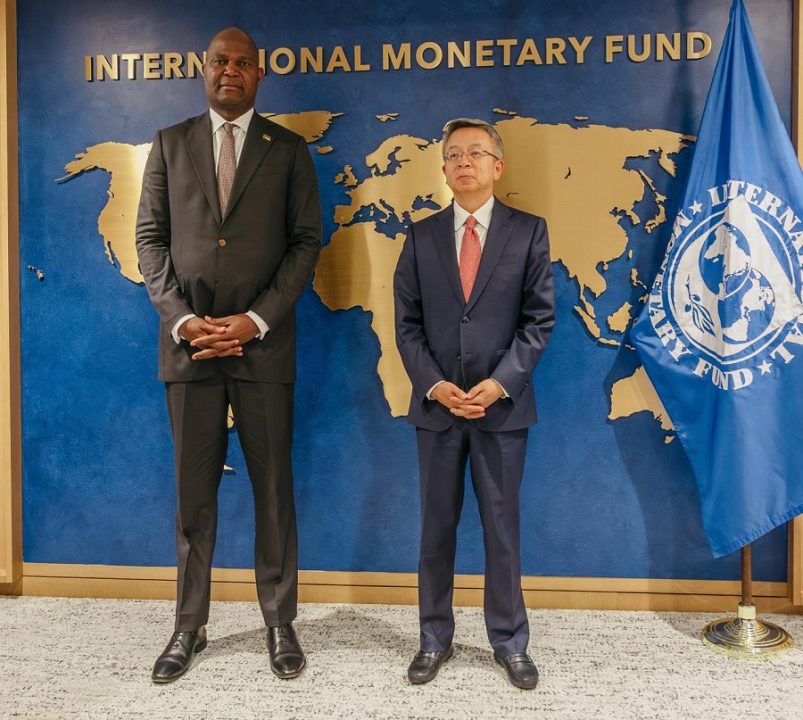
Mozambique has fully paid its $701 million (515.04 million Special Drawing Rights) debt to the
International Monetary Fund (IMF) ahead of schedule.
Mozambique’s outstanding debt stood at 515.04 SDRs at the start of March but fell to zero by the
end, according to “Total IMF Credit Outstanding Movement”.
This was confirmed by Mozambique’s Finance Ministry press release on 2 March, which argued that
full settlement of the debt was necessary to ensure the country’s fiscal discipline and to strengthen
its international credibility.
International Monetary Fund (IMF) ahead of schedule.
Mozambique’s outstanding debt stood at 515.04 SDRs at the start of March but fell to zero by the
end, according to “Total IMF Credit Outstanding Movement”.
This was confirmed by Mozambique’s Finance Ministry press release on 2 March, which argued that
full settlement of the debt was necessary to ensure the country’s fiscal discipline and to strengthen
its international credibility.
Comment
Mozambique’s decision to repay nearly $700 million in IMF concessional loans ahead of schedule is
being framed as a big win for macroeconomic discipline. But when you look past the official
language, a more complicated picture emerges — one that mixes vulnerability, credibility, and
strategic repositioning.
A closer reading of the ministry’s statement shows that the early repayment is really about shielding
Banco de Moçambique from taking on sovereign risk at a time when the country is struggling to
access external financing. In simple terms, the government is trying to prevent the Central Bank – the
institution responsible for keeping inflation and the currency under control – from being dragged
into a difficult situation. That protection matters, but it comes with a cost: using up already limited
foreign reserves.
The timing is also telling. The announcement lands just before the IMF-World Bank Spring Meetings,
where Mozambique is already in talks for a new programme. That makes the repayment look less
like the end of a chapter and more like a reset – a diplomatic move meant to strengthen the
country’s position in upcoming negotiations.
Still, the press release leaves important questions hanging. What does this repayment mean for
shortterm liquidity? What had to be sacrificed to make it happen? What conditions might come with
the new programme being discussed? And perhaps the most pressing question: where did a
cashstrapped government – one that has recently struggled to pay civil servants – find the money?
For observers, the message is clear. Mozambique is trying to rebuild trust with international partners
and protect its financial institutions. But the move also highlights the country’s ongoing dependence
on multilateral support. Paying off this debt may close one file, but it opens another – one that will
shape the country’s economic path for years to come.
being framed as a big win for macroeconomic discipline. But when you look past the official
language, a more complicated picture emerges — one that mixes vulnerability, credibility, and
strategic repositioning.
A closer reading of the ministry’s statement shows that the early repayment is really about shielding
Banco de Moçambique from taking on sovereign risk at a time when the country is struggling to
access external financing. In simple terms, the government is trying to prevent the Central Bank – the
institution responsible for keeping inflation and the currency under control – from being dragged
into a difficult situation. That protection matters, but it comes with a cost: using up already limited
foreign reserves.
The timing is also telling. The announcement lands just before the IMF-World Bank Spring Meetings,
where Mozambique is already in talks for a new programme. That makes the repayment look less
like the end of a chapter and more like a reset – a diplomatic move meant to strengthen the
country’s position in upcoming negotiations.
Still, the press release leaves important questions hanging. What does this repayment mean for
shortterm liquidity? What had to be sacrificed to make it happen? What conditions might come with
the new programme being discussed? And perhaps the most pressing question: where did a
cashstrapped government – one that has recently struggled to pay civil servants – find the money?
For observers, the message is clear. Mozambique is trying to rebuild trust with international partners
and protect its financial institutions. But the move also highlights the country’s ongoing dependence
on multilateral support. Paying off this debt may close one file, but it opens another – one that will
shape the country’s economic path for years to come.
@2026, Mozambique Insights. All Rights Reserved