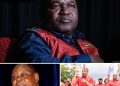
Can a politician be held criminally responsible for violence committed by supporters after a political rally, livestream, or protest call? That question emerged as the central focus of proceedings at the trial of Venâncio Mondlane, a Mozambican opposition politician.
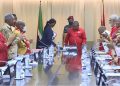
The five judges at the countrye’s Supreme Court spent hours examining whether words, influence, and public mobilization can be legally linked to acts of violence that followed the country’s disputed 2024 elections., which official results were contested by Mondlane, who was then a presidential candidate.
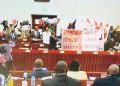
During the hearing, the court examined whether there was a direct connection between Mondlane’s public statements and the destruction of public and private property reported during post-election unrest. Judges also scrutinized remarks made during his livestreams on social media, including references to retaliation, calls for economic shutdowns, and broader appeals for popular mobilization.
Questions were also raised about the organisation of demonstrations and whether the risks of disorder and economic damage could reasonably have been anticipated.
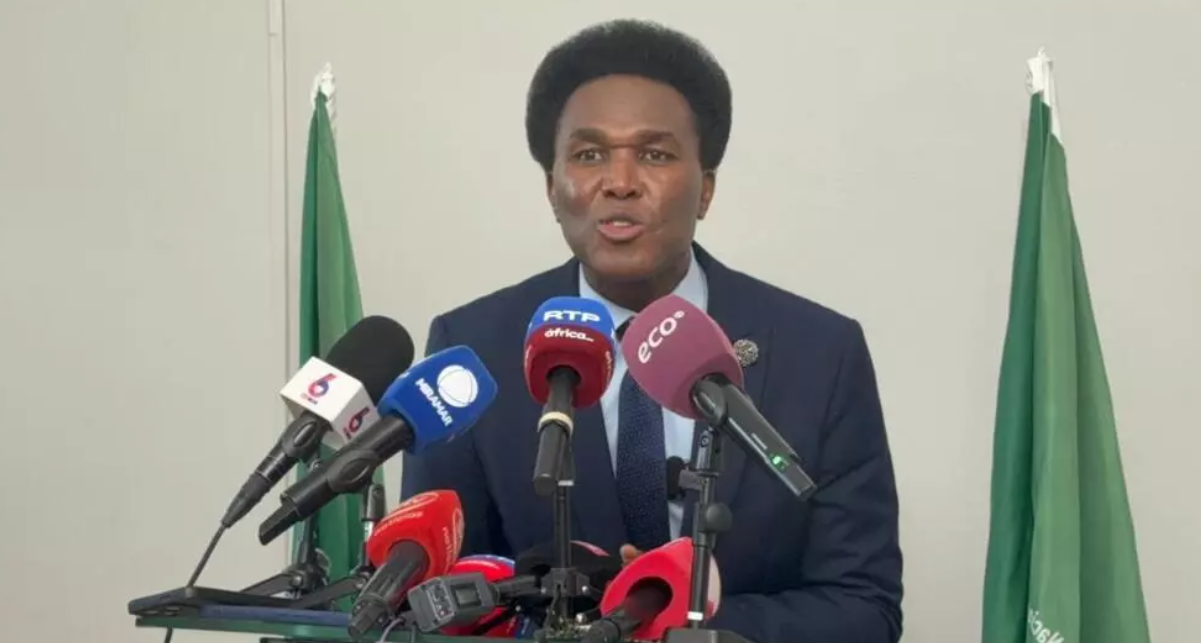
Mondlane rejected the suggestion that his speeches caused or encouraged violence. He argued that the prosecution had not demonstrated a concrete causal link between his statements and the actions of protesters. He maintained that several expressions cited by the court were political or religious metaphors and should not be interpreted literally. He also argued that issues relating to the notification of demonstrations to authorities do not form part of the charges against him and insisted that previous experiences had shown that large-scale mobilization could occur without violent outcomes.
The hearing also touched on Mondlane’s claims regarding the origins of the investigation that ultimately led to his prosecution. According to him, investigative steps began during the election campaign period. Those claims remain allegations made by the defence and have not been established by the court.
Comment
What happened in court was about far more than one politician’s defence strategy. The judges appeared to be wrestling with a broader question that democracies around the world continue to face: where does political influence end and criminal responsibility begin?
The prosecution’s challenge is significant. Demonstrating that a political leader is influential is relatively straightforward. Demonstrating that specific acts of violence were the direct result of that leader’s words is a much higher legal threshold. That distinction may ultimately determine the outcome of the case.
Equally important is the issue of language itself. Political speech is rarely literal. Campaigns, protests, and moments of national crisis often produce rhetoric that is emotional, symbolic, and deliberately provocative. Courts, however, must decide whether certain expressions remained within the realm of protected political speech or crossed into conduct capable of inciting unlawful acts.
The trial is therefore becoming a defining test for Mozambique’s democratic institutions. A ruling that relies solely on a politician’s popularity or ability to mobilise supporters could set one precedent. A ruling that requires clear and demonstrable evidence linking speech to criminal acts could set another.
Either way, the case is likely to influence future debates about protest, dissent, free expression, and accountability in Mozambique long after the verdict is delivered.
@2026, Mozambique Insights. All Rights Reserved